Creating Rasa Ajaib: Malaysian Food as Visual Stories
Rasa Ajaib became a test of how a simple Malaysian-food transformation rule could grow into a recognisable short-form series.
Starting with something familiar
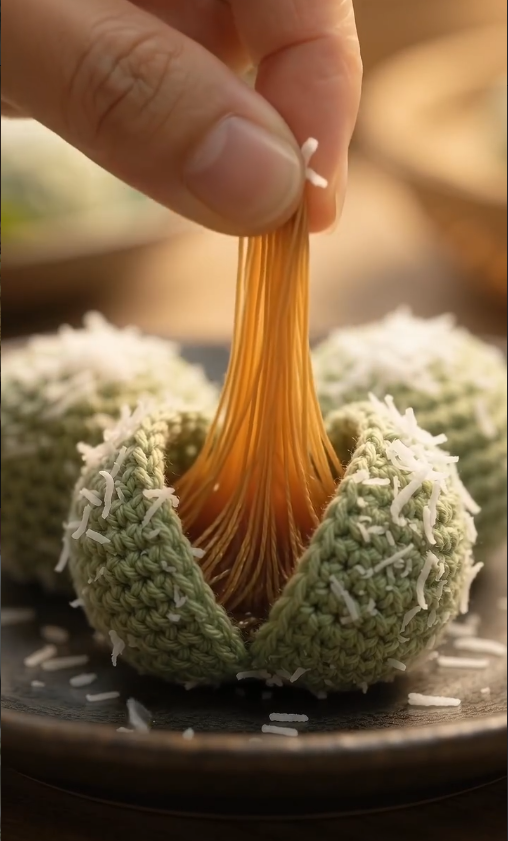
Rasa Ajaib started from a simple creative rule: begin with a food or object that Malaysians recognise, then transform it into something unexpected. The familiarity gives the viewer an immediate entry point; the transformation creates the surprise.
The series includes ideas such as ang ku kuih turning into a turtle, curry puff becoming a chick, noodles becoming a dragon, roti canai turning into a flying carpet, satay smoke forming a tiny dragon and ondeh-ondeh becoming a surreal visual moment.
Why Malaysian food works as a visual language
Local food carries shape, colour and memory before any story is added. A pineapple tart, nasi lemak packet or bowl of laksa is already visually specific. That makes it useful for short-form content because the first frame does not need much explanation.
For me, this project also became another way to reconnect creative experimentation with local culture after leaving a long corporate career. I was learning newer AI video and image tools on my own, and Rasa Ajaib gave those experiments a clear Malaysian identity instead of becoming a random effects demo.
Designing a repeatable format
A repeatable series needs rules, but not sameness. Rasa Ajaib usually begins with a recognisable food, introduces one clear transformation and keeps the final video short. That structure makes production manageable and gives viewers a pattern they can understand quickly.
The risk is repetition. If every reel uses exactly the same timing and reveal, the format becomes predictable. I therefore vary the type of transformation: creature, landscape, weather event, miniature world, moving object or expanding structure.
Publishing taught me as much as generating
The project grew through batches of daily shorts and stories rather than one big launch. Posting time, platform behaviour and audience response all became part of the learning process. Some reels performed normally while others received unexpectedly low distribution even when account status showed no restriction.
That experience changed how I think about short-form content. A good concept does not guarantee reach, and a weak result does not always mean the creative idea failed. Distribution, timing, retention and platform behaviour can all affect what happens after publishing.
Why I no longer judge a reel only by views
Views still matter because they show whether a format is finding an audience, but they are not the only useful signal. A repeatable project also needs a sustainable production process and a recognisable identity.
For Rasa Ajaib, the more important long-term question is whether someone can see a frame and understand that it belongs to the same playful Malaysian world.
What I learned
The most useful lesson is that AI-generated content becomes stronger when the constraint is clear. "Make something magical" is too broad. "Start with a Malaysian food people recognise and transform it into one surprising visual idea" is a format.
That difference—between an effect and a format—is what made Rasa Ajaib worth continuing and documenting on WynnWorld.